Psoriasis Flare-Up: What’s Happening to Your Skin and How to Regain Control
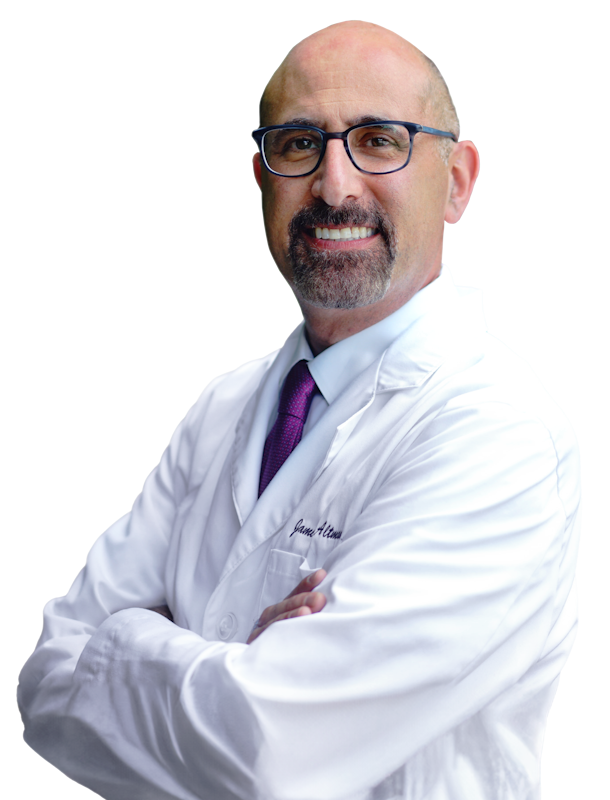
By Jamie Altman, MD, Board-Certified Dermatologist – Aesthetic Dermatology Associates, serving Paoli & Media, PA
Waking up to see new patches spreading across your skin can be frightening. The itching keeps you up at night. Plans get canceled because of worry about people staring. And the question that haunts most:
Is this ever going to stop?
If you’re reading this during a psoriasis flare-up, you’re probably feeling a mix of panic, frustration, and exhaustion. Maybe you’ve been managing psoriasis for years, or maybe this is your first severe episode. Either way, what you’re experiencing is your immune system overreacting—not your body “getting worse forever.” And more importantly, there are clear steps that can be taken to help you regain control.
You’re Not Imagining It—Here’s What’s Happening Right Now
During a psoriasis flare-up, the immune system has shifted into overdrive. Normally, skin cells take about 28-30 days to grow and shed. But in psoriasis, this process speeds up to just 3-4 days. Your body is producing skin cells faster than it can shed them, causing those thick, scaly patches—what dermatologists call plaques.
Dr. Altman explains:
“This isn’t about poor hygiene or something you did wrong. Psoriasis is an immune-mediated condition. Your immune system is mistakenly stimulating healthy skin cells, causing rapid cell turnover.”
Does Psoriasis Spread?
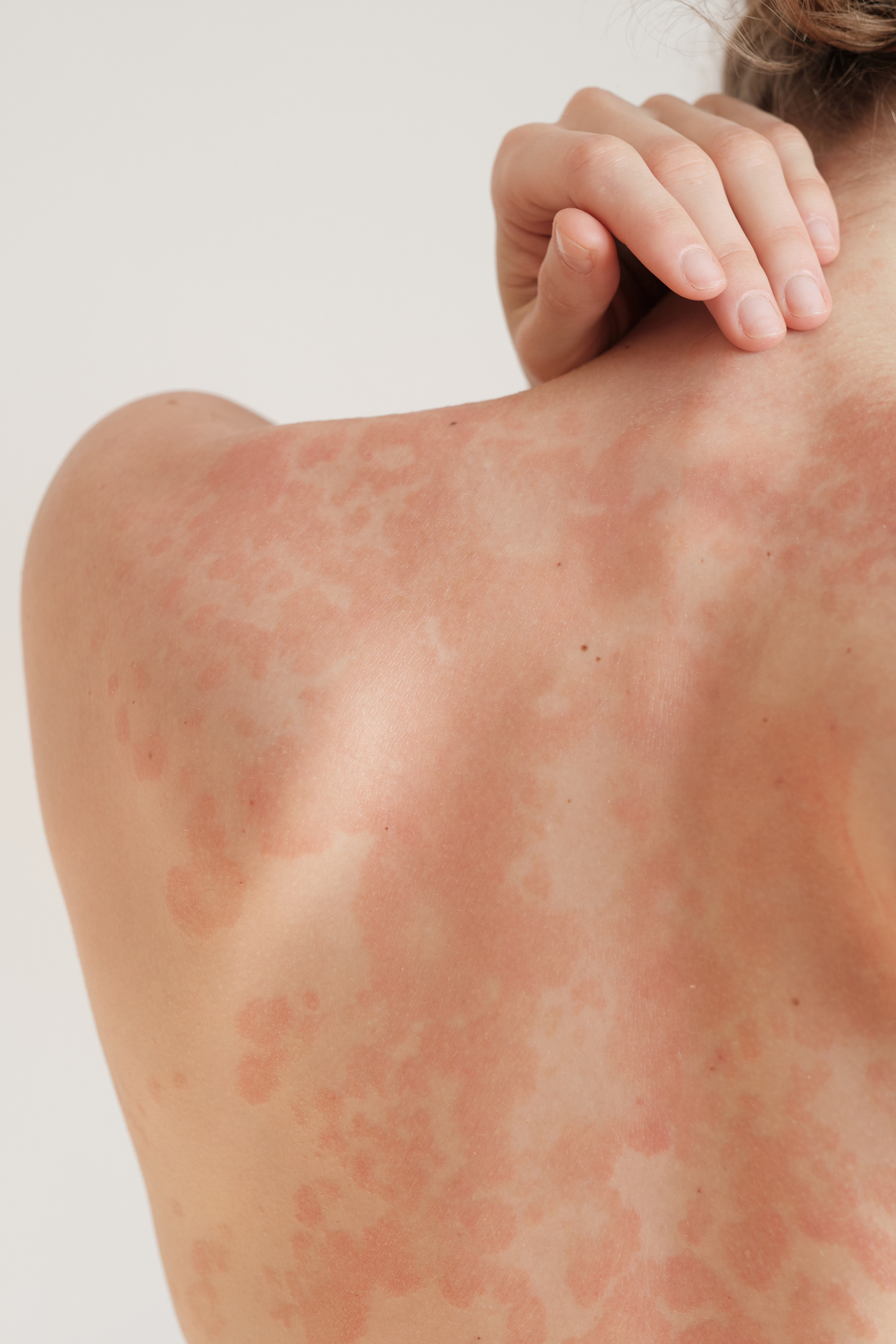
This is one of the most common questions during flare-ups, and it’s important to address directly: psoriasis is not contagious. You cannot spread it to others, and others cannot catch it from you.
However, existing patches can expand, and new patches can appear in different areas of your body—especially during a flare-up. This isn’t the condition “spreading” like an infection; it’s your immune system triggering inflammation in multiple areas. Psoriasis can also appear at sites of skin injury—a phenomenon called the Koebner response. A cut, scrape, sunburn, or even a tattoo can trigger new patches to form.
Dr. Altman notes:
“When patients see new patches appearing, they understandably panic. But this is your immune system’s response pattern, not a sign that something catastrophic is happening. With proper treatment, we can calm this immune response and help your skin heal.”
What Triggered This? Common Culprits Behind Psoriasis Flare-Ups
Understanding what causes psoriasis flare-ups can help you identify patterns—though it’s important to note: sometimes there’s no obvious trigger, and that’s not your fault.
Common triggers include:
- Stress: Emotional or physical stress is one of the most significant triggers. Your body releases inflammatory chemicals when you’re stressed, which can activate psoriasis.
- Infections: Strep throat, respiratory infections, or even a simple cold can trigger flares, especially in people with guttate psoriasis.’
- Medications: Some drugs, including lithium, beta-blockers, antimalarial drugs, and NSAIDs, can worsen psoriasis.
- Weather changes: Cold, dry weather often triggers flares because low humidity dries out the skin.
- Skin injury: Cuts, scrapes, bug bites, severe sunburn—any trauma to the skin can trigger new patches.
- Alcohol and smoking: Both can worsen psoriasis and reduce the effectiveness of treatments.
Sometimes, despite your best efforts to avoid triggers, flares still happen. This doesn’t mean you’re doing something wrong. Psoriasis has its own rhythm, and sometimes the immune system responds to factors we can’t fully identify or control.
Extreme Psoriasis vs. Regular Flare: When to Call Your Dermatologist Immediately
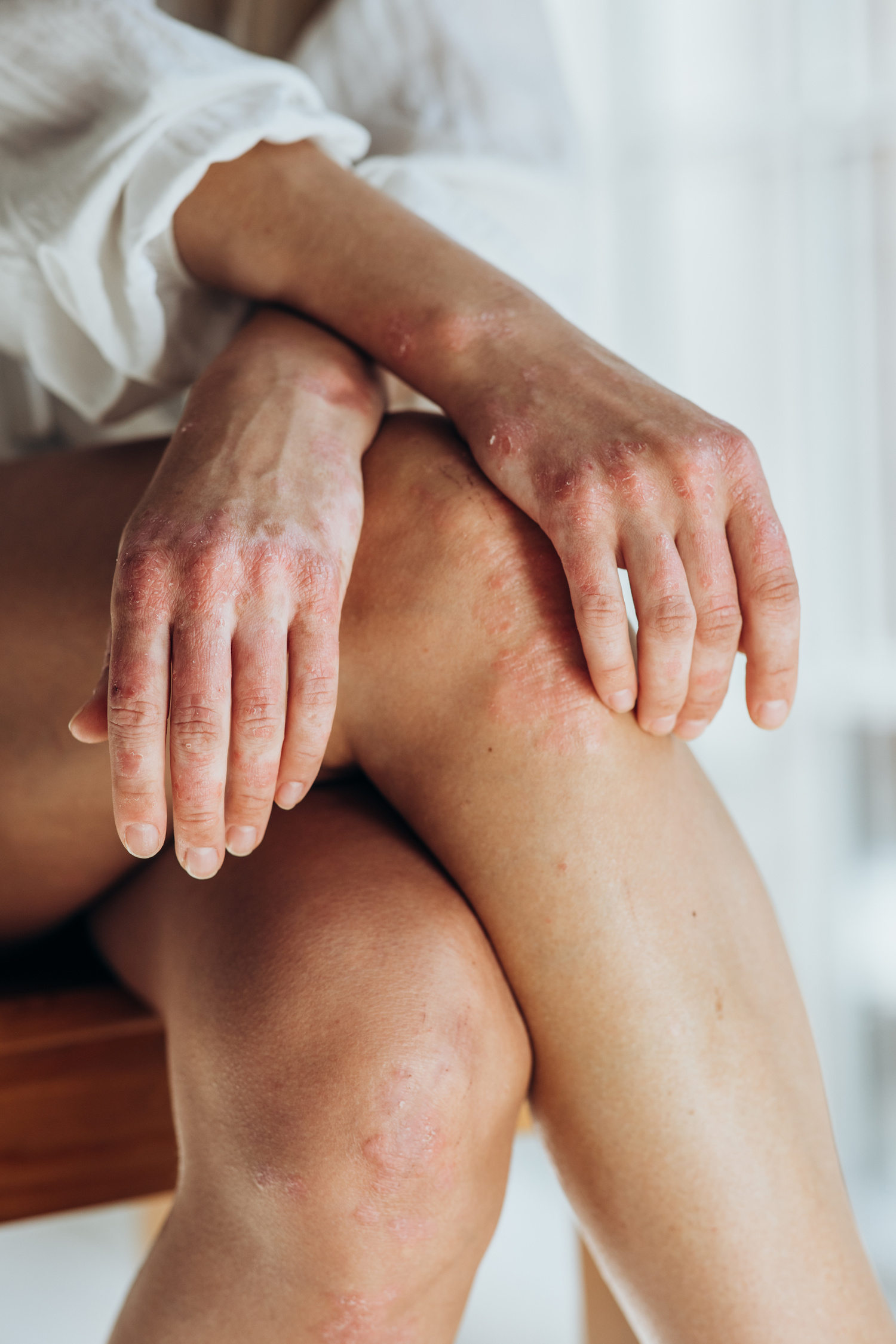
Not all flares are the same. While most can be managed with adjustments to your treatment plan, some situations require immediate medical attention.
Call your dermatologist right away if you experience:
- Sudden, widespread coverage: If psoriasis is rapidly covering large areas of your body (more than 10% of your skin surface).
- Pustular psoriasis: If you develop pus-filled blisters along with fever, chills, or feeling generally unwell. This is a medical emergency.
- Erythrodermic psoriasis: If most of your body becomes red, inflamed, and you’re experiencing severe pain or temperature regulation problems. This is also a medical emergency.
- Severe joint pain or swelling: This could indicate psoriatic arthritis, which requires prompt treatment to prevent joint damage.
- Signs of infection: Increased warmth, swelling, oozing, or fever alongside your psoriasis patches.
Dr. Altman emphasizes:
“I never want patients to worry about ‘bothering’ me during a severe flare. Extreme psoriasis requires immediate intervention. That’s what we’re here for. If you’re unsure whether your flare warrants a call, err on the side of caution and reach out.”
Your Action Plan: What You Can Do in the Next 24 Hours
When you’re in the middle of a flare, you need relief now. Here’s what you can start doing today while you connect with your dermatologist:
Immediate relief strategies:
- Moisturize aggressively: Apply thick, fragrance-free moisturizers or ointments (like petroleum jelly or Aquaphor) multiple times per day, especially right after bathing when your skin is still damp. This helps seal in moisture and reduce scaling.
- Take lukewarm baths: Add colloidal oatmeal, Dead Sea salts, or bath oil. Soak for 10-15 minutes to soften scales. Avoid hot water—it strips your skin’s natural oils and worsens inflammation.
- Use over-the-counter hydrocortisone: For light psoriasis or small areas, OTC 1% hydrocortisone cream can provide temporary relief. Apply as directed on the package.
- Apply cool compresses: If itching or burning is severe, cool (not ice-cold) compresses can help calm the inflammation.
- Avoid your known triggers: If you know certain foods, alcohol, or stress worsen your flares, now is the time to be especially vigilant.
- Protect your skin: Avoid scratching (which can create new patches through the Koebner response), wear soft cotton clothing, and be gentle when drying off after bathing—pat, don’t rub.
These measures can help you feel more comfortable while you work with your dermatologist on a comprehensive treatment plan. But they’re not substitutes for medical treatment, especially during severe flares.
How to Prevent the Next Flare-Up (Or Make It Less Severe)
While we can’t prevent every flare-up, there are strategies that can reduce their frequency and severity:
Daily skin care routine: Consistent moisturizing is your foundation. Even when your skin looks clear, maintaining your skin barrier helps prevent future flares.
Stress management: Since stress is a major trigger, finding effective stress-reduction techniques—whether that’s exercise, meditation, therapy, or simply better sleep—can make a significant difference.
Stick with your treatment plan: One of the most common reasons for flares is stopping treatment too soon when skin clears. Psoriasis is chronic; maintaining treatment helps keep it in remission.
Track your triggers: Keep a journal of flares and potential triggers. Over time, you may identify patterns that help you avoid certain situations or products.
Maintain a healthy weight: There’s a connection between obesity and psoriasis severity. Weight loss can improve treatment response.
Limit alcohol: Alcohol can trigger flares and interfere with medication effectiveness.
Dr. Altman advises: “I tell my patients: you can’t control everything about psoriasis, but you can control your response to it. Building a consistent skin care routine and working with your dermatology team to adjust treatments as needed puts you back in the driver’s seat.”
Whether you’re dealing with your first flare or you’ve been managing psoriasis for years, expert help is available to help you regain control. Working together with a dermatology team, you can create a treatment plan that fits your life, addresses your concerns, and gives you the clear, comfortable skin you deserve.
Because living with psoriasis shouldn’t mean putting your life on hold.
About Dr. Jamie Altman
Dr. Altman is a board-certified dermatologist and Chief of the Subdivision of Dermatology at Riddle Memorial Hospital. He completed his dermatology residency at the University of Michigan and advanced fellowship training in skin cancer treatment at Memorial Sloan-Kettering Cancer Center in New York City. A former Clinical Instructor in Dermatology at the University of Pennsylvania, Dr. Altman has been recognized as a Top Dermatologist by U.S. News & World Report and a Top Doctor by Philadelphia Magazine (2013–2020). He served as President of the Philadelphia Dermatological Society (2020–2021) and is committed to providing compassionate, expert care to every patient.
Related links
See Dr. Altman’s provider’s page on our website
Follow Dr. Patel on LinkedIn professional social network
Review Dr. Patel’s rating on US News Health website
Arrange a Psoriasis Treatment Consultation in Paoli or Media, PA
Living with psoriasis means having a dermatology partner who understands your unique challenges and stays with you through every treatment decision. At Aesthetic Dermatology Associates, Dr. Altman and our experienced team offer:
- Comprehensive treatment options: From prescription topicals to cutting-edge biologics
- Same-week appointments: Priority scheduling available for severe flare-ups
- Personalized care plans: Tailored to your lifestyle, preferences, and treatment goals
- Ongoing support: Direct access to your care team when you need guidance
Conveniently serving patients in Paoli, PA and Media, PA
Don’t wait for your next flare-up to take action. Whether you’re newly diagnosed or seeking better management of long-standing psoriasis, we’re here to help.
Visit Our Locations
Media, PA
| Mon: | 7:30 am - 5:30 pm |
| Tue: | 8:00 am - 4:00 pm |
| Wed: | 7:30 am - 4:00 pm |
| Thu: | 7:30 am - 4:00 pm |
| Fri: | 7:30 am - 4:30 pm |
Paoli, PA
| Mon: | 8:00 AM - 4:30 PM |
| Tue: | 8:00 AM - 4:00 PM |
| Wed: | 8:00 AM - 5:30 PM |
| Thu: | 8:00 AM - 4:30 PM |
| Fri: | 8:00 AM - 5:00 PM |
Stay Informed with our Newsletter

Book Your Appointment Today!
Choose the option that works best for you:
Prefer to speak with someone? Call or text us:

Media, PA Office - Call or Text (610) 566-7300
Paoli, PA Office - Call or Text (610) 566-7300
Want to book online now? Select a provider below:
Note: Self-scheduling is currently available for Dr. Goggins & Dr. Waller. For all other providers, please call or text the office.