Rosacea on Your Face: What That Redness Means (And Why There’s No Reason to Panic)

By Nancy Conley, PA-C, Diplomate of the Society of Dermatology Physician Assistants – Aesthetic Dermatology Associates, serving Paoli & Media, PA
Your face has been turning red more than usual. At first, you thought it was just from the heat, or maybe that glass of wine at dinner. But now the redness lingers. Your cheeks seem perpetually flushed, and you’ve noticed small bumps that almost look like acne – except your go-to acne cream isn’t helping at all.
Maybe your doctor mentioned the word “rosacea” during your last visit. Or perhaps a friend who has it recognized the telltale signs. Now you’re online at night, scrolling through images and articles, asking yourself:
Is this really what’s happening to my face? What caused this? And can I make it go away?
If you’re here because you think you might have rosacea, you’re likely feeling self-conscious, frustrated, and worried about what this means for your skin going forward. Here’s what you need to hear right now: rosacea is one of the most common facial skin conditions, and it responds incredibly well to proper treatment. You’re not stuck with persistent redness and sensitivity. Understanding what’s causing your symptoms is the first step toward skin that looks and feels healthy again.
Let’s talk about what’s really happening – in terms that actually make sense.
The Truth About Rosacea: It’s More Than Just Blushing

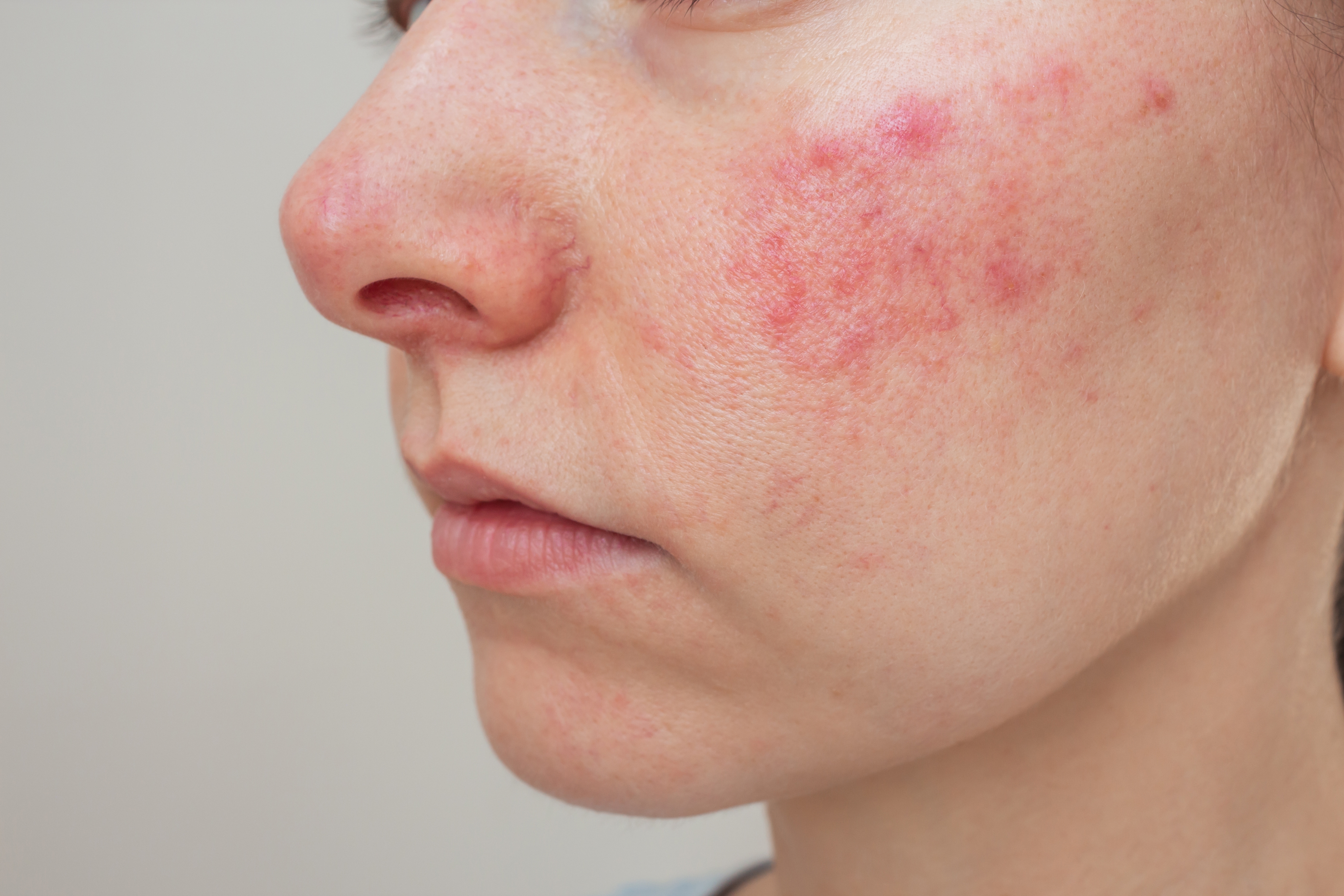
Rosacea is a chronic inflammatory skin condition that primarily affects the face. In practical terms, this means your facial blood vessels and oil glands react more intensely than they should to certain triggers, causing visible redness, flushing, and sometimes acne-like breakouts.
Here’s what makes rosacea different from just having “sensitive skin” or occasional flushing:
The symptoms persist. That rosy glow or facial redness doesn’t fully fade the way a normal flush would. For many people, there’s a baseline redness that’s always there, punctuated by episodes where it gets much worse.
The symptoms come and go in waves. You might have weeks where your skin looks relatively calm, followed by a flare-up where everything gets worse – more redness, more bumps, more discomfort. These flare-ups are usually triggered by specific factors (more on that in a moment).
You might be experiencing:
- Redness that won’t fade, especially across your nose, cheeks, chin, and forehead
- A face that flushes easily and intensely
- Tiny red or purple blood vessels visible just under your skin
- Bumps and small pimples that appear without warning
- Skin that stings, burns, or feels uncomfortably tight
- Rough, dry patches even when you’re moisturizing
- A sensation of heat in your face
- Eyes that feel irritated, dry, or bloodshot
Nancy Conley explains:
I see patients every day who are self-conscious about their red, acne prone skin. When I tell them it’s rosacea and I can treat it, there is a moment of relief. Then we jump into the nitty gritty – what it is and how I can help.
The Trigger Puzzle: Why Your Face Flares Up
Even though we can’t always prevent rosacea from developing, we can absolutely identify and manage the things that make it worse. These are called triggers, and they’re different for everyone.
The most common culprits include:
Sun exposure: This is the number one trigger for most people with rosacea. UV rays cause blood vessels to dilate and inflammation to increase. Even brief sun exposure can cause a flare that lasts for days.
Alcohol consumption: Wine (especially red wine), beer, and spirits all commonly trigger facial flushing and redness in people with rosacea.
Spicy foods: Anything with heat – hot peppers, curry, hot sauce – can cause your face to flush and stay red for hours.
Temperature extremes: Very hot or very cold environments, or moving quickly between them (like going from air conditioning into summer heat), can trigger symptoms.
Hot beverages: That morning coffee or afternoon tea might be contributing to your facial redness, especially if you drink it while it’s very hot.
Stress and strong emotions: Emotional stress, anxiety, anger, or embarrassment can all cause flushing and worsen rosacea.
Harsh skincare products: Products with fragrances, alcohol, exfoliating acids, or rough physical scrubs can irritate rosacea-prone skin and trigger flares.
Intense exercise: While exercise is healthy, the flushing and heat it generates can worsen rosacea for some people.
Living With Rosacea: What It Actually Feels Like Day-to-Day
Beyond the visible redness and bumps, rosacea affects how your skin feels and how you feel about your skin.
Physically, many people describe:
- A burning or stinging sensation, especially when applying products
- Tightness, like your skin is too small for your face
- Constant awareness of warmth in your cheeks or nose
- Discomfort that gets worse throughout the day
- Sensitivity to products you used to tolerate just fine
Emotionally, rosacea can take a toll:
- Self-consciousness about your appearance
- Frustration when flare-ups happen unpredictably
- Anxiety about social situations where you might flush
- Feeling like you have to explain your “red face” to people
- Avoiding activities (like hot yoga or spicy dinners) that you used to enjoy
These feelings are completely valid. Your skin is on your face – the most visible part of your body. Of course it affects how you feel. This is exactly why getting proper treatment isn’t vanity; it’s taking care of your well-being.
The Bottom Line: Will It Get Better Without Treatment?
Here’s what you need to know: rosacea rarely improves on its own. In most cases, without treatment, it actually gets progressively worse over time.
What might start as occasional flushing can evolve into permanent redness. Small bumps can become more frequent and widespread. In some cases, the skin can thicken, particularly around the nose.
Nancy Conley is direct about this:
I never want to scare patients, but I want to them to understand control is attainable. While there is no cure for this condition, thankfully many treatments are available to give you your best skin. Whether you’ve only had symptoms for a few months, or even symptoms for many years, we can achieve significant improvement and prevent progression!
Building Your Rosacea-Friendly Skincare Routine
Before prescription treatments, let’s talk about the foundation: how you care for your skin every single day. For rosacea, gentle skincare isn’t optional – it’s essential.
The golden rule: sensitive skin care is key.
Your skin barrier is compromised when you have rosacea. It’s more reactive, more sensitive, and less able to tolerate products and ingredients that other people use without issue. This means you need to completely rethink your skincare approach.
Products to avoid completely:
- Anything fragranced, even if it says “natural fragrance”
- Exfoliants of any kind – no scrubs, no acids, no chemical peels
- Alcohol-based toners or astringents
- Witch hazel
- Menthol, peppermint, eucalyptus, or other “cooling” or “tingling” ingredients
- Rough washcloths, loofahs, or cleansing brushes
- Hot water on your face
What your face wash should be:
Choose a gentle facial cleanser specifically formulated for sensitive skin. Look for something creamy, non-foaming, and fragrance-free. Alternatively, Nancy Conley recommends a medicated sulfur cleanser, which can help calm inflammation while still cleansing effectively.
Wash with lukewarm (not hot) water, using only your fingertips. Pat dry gently with a soft towel – don’t rub.
When your skin is flaring:
A hydrating face mask can provide immediate relief during a flare-up. Nancy specifically recommends Skinceuticals Phyto Corrective Mask for its ability to instantly calm irritated, inflamed skin. Keep it in your skincare arsenal for those days when your face feels particularly angry.
Sun protection – non-negotiable:
Every single day, rain or shine, winter or summer, you need sunscreen. Choose a mineral-based formula (zinc oxide or titanium dioxide) with at least SPF 30. Chemical sunscreens can sometimes irritate rosacea-prone skin, so mineral formulas are generally safer.
Moisturizer matters:
Even if your skin feels oily or you have acne-like bumps, you need a good moisturizer. Choose something designed for sensitive skin, fragrance-free, and with soothing ingredients like ceramides or niacinamide.
Medical Treatments That Make a Real Difference
The right skincare routine sets the foundation, but for most people with rosacea, medical treatment is what really transforms the skin.
Topical prescription creams:
Multiple prescription medications can reduce redness, calm inflammation, and minimize bumps and visible blood vessels. These are typically applied once or twice daily and work by targeting the specific inflammatory processes happening in rosacea-affected skin.
Oral antibiotics:
For moderate to severe rosacea, especially when you have significant bumps and pustules, oral antibiotics can provide dramatic improvement. These work by reducing inflammation throughout your body, not by fighting infection. They’re typically used for a limited time to get symptoms under control.
Laser and light treatments:
Advanced laser therapies can specifically target the visible blood vessels and persistent background redness that topical treatments sometimes can’t fully address. These treatments provide long-lasting improvement and can significantly reduce the overall redness of your complexion.
Why one-size-fits-all doesn’t work:
Your rosacea is unique to you. The severity, the specific symptoms, your skin type, your lifestyle, your budget, your treatment preferences – all of these factors matter when creating a treatment plan.
Nancy Conley explains her approach:
When I sit down with a rosacea patient, I want to understand the whole picture. What bothers you most – the redness, the bumps, the sensitivity? What have you already tried? What’s your daily routine like? Are you willing to take an oral medication, or would you prefer to stick with topical treatments? Do you want to consider laser therapy? It’s always best to consult with your dermatology provider to discuss treatment options that would be best for your particular skin. This is a collaborative process, and my job is to help you find the approach that works for your life and your goals.
Taking the Next Step: Getting Professional Help
If you’ve read this far and you’re recognizing yourself in these descriptions, it’s time to see a dermatology provider who can give you a definitive diagnosis and start you on the path to clearer skin.
Here’s what to expect when you come in for a consultation:
Comprehensive skin evaluation: Your provider will examine your face closely, ask about your symptoms and their timeline, and discuss your skincare routine and lifestyle factors. In most cases, rosacea can be diagnosed based on appearance and history alone, without any testing needed.
Customized treatment strategy: Based on your specific symptoms, skin type, and preferences, your provider will recommend a treatment plan. This might include skincare changes, prescription medications, laser treatments, or a combination of approaches.
Ongoing partnership: Rosacea is a chronic condition, which means your treatment might need adjustments over time. Your dermatology provider will follow your progress, modify your treatment as needed, and help you navigate challenges as they come up.
You don’t have to live with constant redness and sensitivity. You don’t have to avoid activities you love or feel self-conscious about your appearance. Treatment works. Relief is real. And you absolutely don’t have to figure this out alone.
About Nancy Conley, PA-C
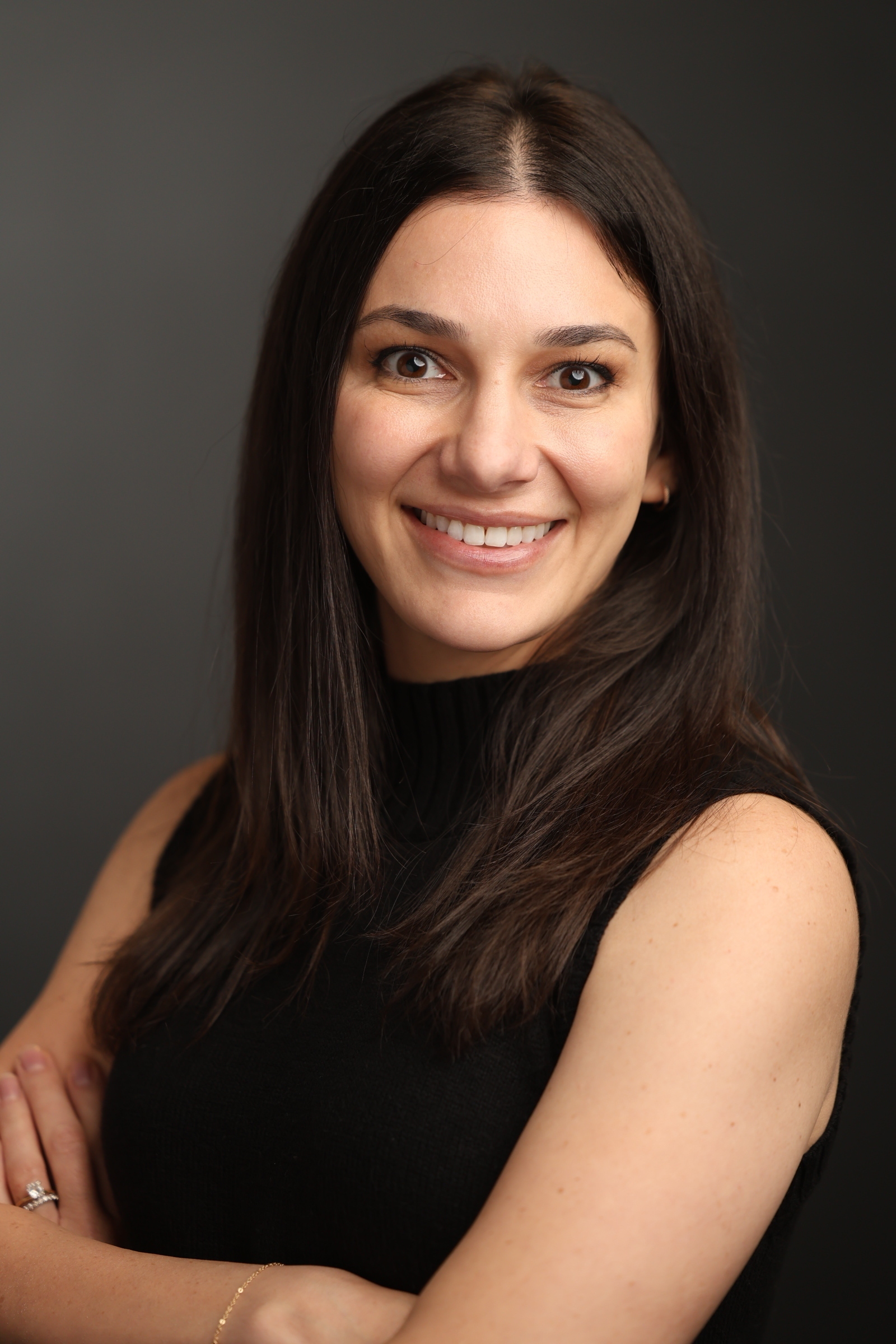
Nancy Conley, is a board-certified Physician Assistant specializing in medical and cosmetic dermatology, with particular expertise in treating rosacea and sensitive skin conditions. As a Diplomate of the Society of Dermatology Physician Assistants (SDPA) – a distinction earned by only a select group of PAs nationwide – Nancy has completed advanced dermatology-specific training that enables her to provide expert care for even the most challenging rosacea cases.
A Philadelphia-area native and proud member of the Aesthetic Dermatology Associates team, Nancy is known for her patient-centered approach to rosacea treatment. She takes time to understand each patient’s unique triggers, lifestyle factors, and treatment goals, creating customized care plans that deliver real results. Licensed in Pennsylvania, Nancy combines clinical excellence with genuine compassion, helping patients achieve clear, calm, confident skin.
Related link:
See Nancy’s provider’s page on our website.
Get Expert Rosacea Care in Paoli or Media, PA
Understanding what’s happening to your face is empowering. Getting the right treatment is life-changing.
At Aesthetic Dermatology Associates, Nancy Conley and our experienced team provide:
- Accurate rosacea diagnosis: Thorough evaluation to confirm rosacea and identify your specific subtype
- Customized treatment plans: Designed around your unique skin, lifestyle, and goals
- Complete range of solutions: From gentle skincare guidance to prescription medications to advanced laser therapies
- Expert, compassionate care: A partner who listens to your concerns and supports you through every step of your treatment journey
Conveniently located to serve patients throughout Paoli, PA and Media, PA
Don’t let facial redness and sensitivity hold you back from feeling confident in your skin. Whether you’re just noticing symptoms or you’ve been struggling with rosacea for years, we’re here to help you achieve the clear, calm, comfortable skin you deserve.
Visit Our Locations
Media, PA
| Mon: | 7:30 am - 5:30 pm |
| Tue: | 8:00 am - 4:00 pm |
| Wed: | 7:30 am - 4:00 pm |
| Thu: | 7:30 am - 4:00 pm |
| Fri: | 7:30 am - 1:00 pm |
Paoli, PA
| Mon: | 8:00 AM - 4:30 PM |
| Tue: | 8:00 AM - 4:00 PM |
| Wed: | 8:00 AM - 5:30 PM |
| Thu: | 8:00 AM - 4:30 PM |
| Fri: | 8:00 AM - 5:00 PM |
Stay Informed with our Newsletter

Book Your Appointment Today!
Choose the option that works best for you:
Prefer to speak with someone? Call or text us:

Media, PA Office - Call or Text (610) 566-7300
Paoli, PA Office - Call or Text (610) 647-4161
Want to book online now? Select a provider below:
Note: Self-scheduling is currently available for Dr. Ko & Bridget Lolli. For all other providers, please call or text the office.