Is Preventive Botox Real? A Skeptic’s Guide to What the Science Actually Says
So you’ve been thinking about Botox. Maybe a friend mentioned she started getting it, or you noticed a few lines showing up in photos that weren’t there a couple years ago. Or maybe you’re just curious whether all this “preventive Botox” talk is actually legit or just another way to get people spending money earlier.
Honestly, that’s a fair question to ask.
First, Some Things About Botox That Might Surprise You
Botox has been around since the late 1980s—not as a cosmetic treatment, but as a medical one. It was originally FDA-approved to treat crossed eyes and uncontrollable blinking. Doctors noticed something interesting: patients kept coming back saying their forehead lines had softened. The cosmetic application was essentially discovered by accident.
Today, Botox is used to treat chronic migraines, excessive sweating, overactive bladder, and even depression (there’s ongoing research suggesting that relaxing frown muscles may actually improve mood—the facial feedback hypothesis in action). The cosmetic use that everyone knows about? That came later, and it’s actually one of the most well-studied cosmetic procedures in existence.
Over 100 million vials have been sold worldwide since its approval. The safety profile at this point is extremely well-documented.
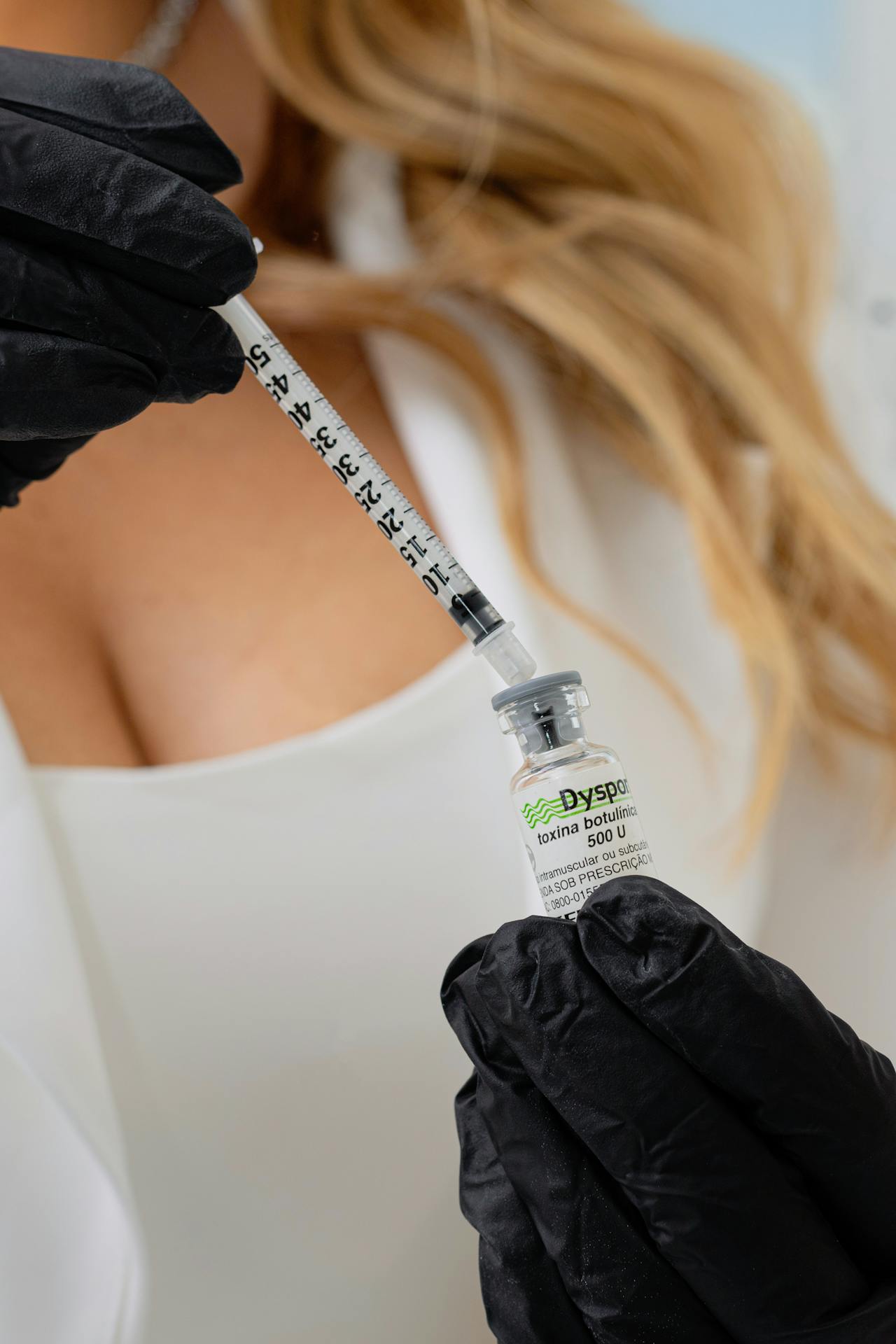
So What About Prevention? Is That Actually a Thing?
Here’s the logic, and it’s surprisingly straightforward.
Expression lines—the ones between your eyebrows, across your forehead, around your eyes—form because you make the same facial movements thousands of times over the years. Every time you squint, frown, or raise your eyebrows, you’re folding the skin in the same spot. When you’re young, the skin bounces back. But over time, collagen breaks down, skin loses elasticity, and those temporary creases start becoming permanent etchings.
Botox temporarily relaxes the muscles that cause these movements. If the muscle isn’t contracting as forcefully, the skin isn’t folding as deeply or as often.
The idea behind preventive Botox is simple: if you reduce the repetitive folding before the lines become etched in, you may be able to delay or minimize the formation of deep static wrinkles—the kind that show up even when your face is completely at rest.
What the Research Shows: Is Botox Really preventive?
A 2022 evidence-based review published in the Journal of Cosmetic Dermatology looked at both clinical studies and real-world practice patterns for Botox in younger adults. The researchers reviewed high-quality randomized controlled trials and surveyed 141 aesthetic practitioners across multiple countries.
Here’s what they found: wrinkle prevention was the number one reason younger patients sought Botox treatment. Not correction—prevention. And the clinical data backed up the approach.
The study’s conclusion was clear: an individualized approach with lower doses for younger adults is recommended, and the clinical evidence supports Botox’s efficacy for both treatment and prevention in this age group. The researchers noted that younger patients who started treatment reported feeling “more attractive” and “more confident” compared to older patients who were trying to correct established lines.
What Dermatologists Actually See
There aren’t many 20-year controlled studies comparing identical twins where one got Botox and one didn’t. (Though actually, there is at least one famous case study of twins, and the difference is pretty striking.) What we do have is decades of clinical observation.
Dermatologists who have been practicing for 20+ years can look at their long-term patients and see patterns. Those who started treatments earlier tend to have less severe static lines later. The muscles themselves can actually weaken somewhat over years of treatment, meaning some patients need less product over time, not more.
Does this mean you have to start Botox at 25 or you’ve missed your window? Absolutely not. People see great results starting treatment at any age. But the mechanism behind prevention makes physiological sense, and the clinical observations support it.
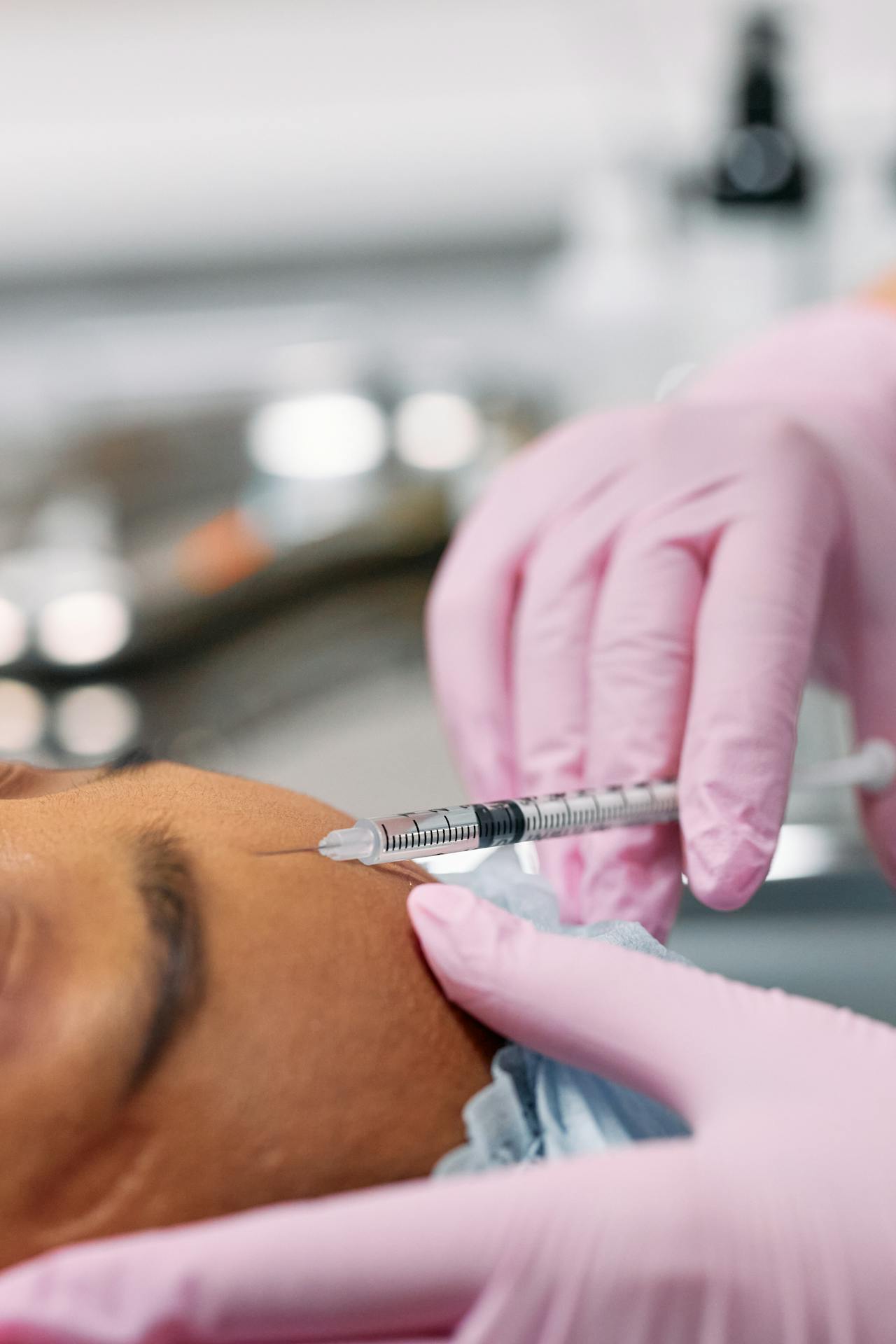
What preventive Botox Won’t Do
Here’s where the skeptics have some valid points, because preventive Botox does get oversold sometimes.
It won’t prevent wrinkles caused by sun damage. Those are about collagen breakdown from UV exposure, and Botox doesn’t address that. (Sunscreen does. Wear it.)
It won’t prevent volume loss—the gradual loss of fat and bone density in the face that happens as we age. Botox doesn’t add volume.
It won’t prevent skin laxity or sagging. That’s about skin structure, gravity, and genetics.
What Botox specifically addresses are dynamic wrinkles—the ones caused by muscle movement—and preventing those from becoming static wrinkles. That’s its thing. It’s one piece of a larger picture, and anyone telling you it’s a complete anti-aging solution isn’t being totally honest.
The Cost Question
Let’s talk about this because it’s usually what people are actually worried about underneath everything else.
Treatments typically run somewhere between $300-500 per session depending on what areas you’re treating, and results last around 3-4 months. That can add up.
Is it “a waste of money”? That really depends on what matters to you. People spend money on gym memberships, hair appointments, skincare routines, and plenty of other things that aren’t strictly necessary but make them feel good. Whether Botox fits into that category is pretty personal.
What’s worth knowing is that preventive doses are often smaller than corrective doses. Someone starting in their late 20s might need way less product than someone trying to soften lines that have been deepening for decades. So sometimes starting earlier actually means spending less per visit.
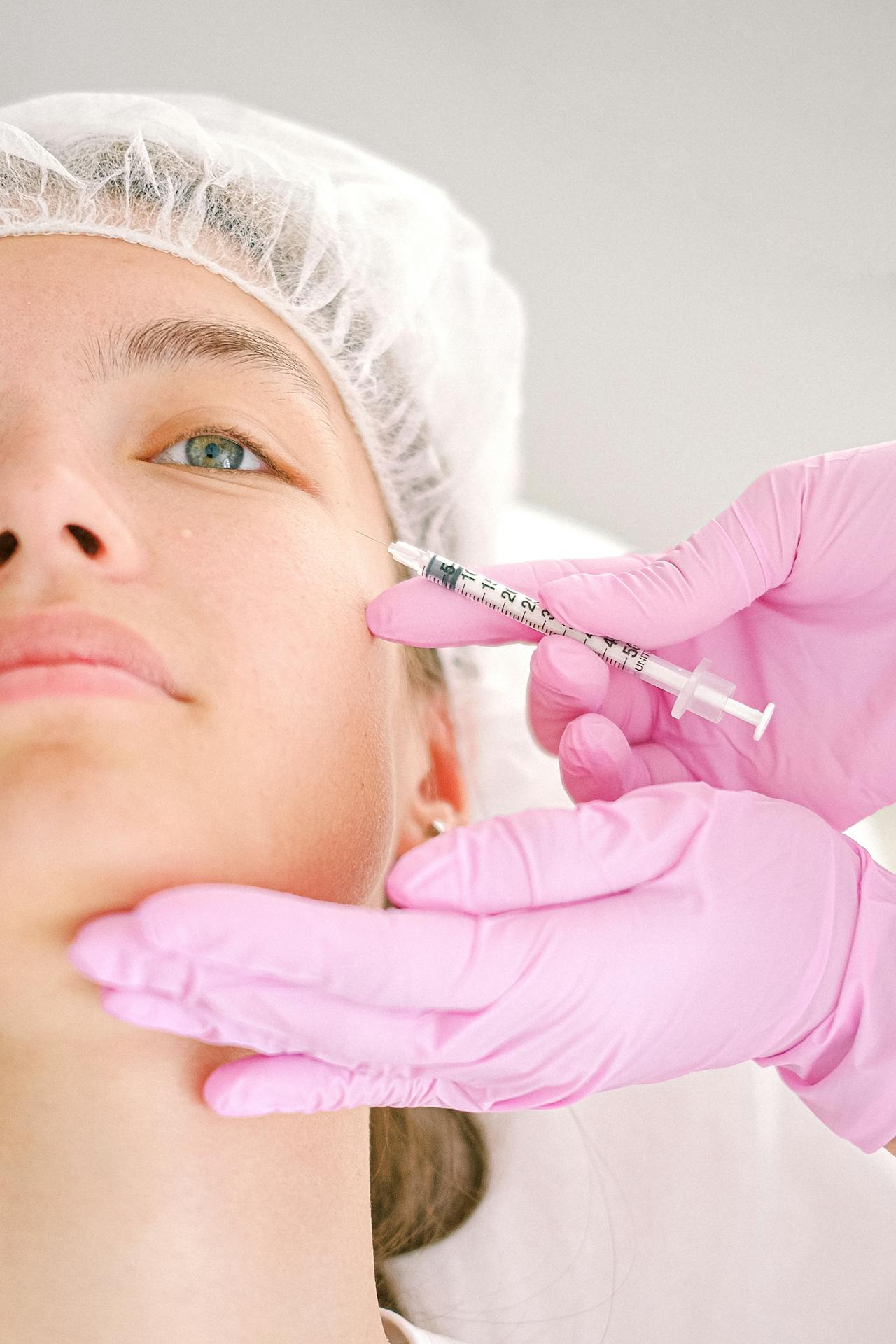
The Bottom Line
Preventive Botox isn’t a scam or some marketing scheme invented to get younger people into the chair. The mechanism is real and well-understood. Reducing repetitive muscle movements reduces repetitive skin folding, which can slow the formation of permanent creases. Clinical experience over decades backs this up.
It’s also not magic. Sun protection, genetics, overall health, skincare—all of that matters too. Botox is one tool, not the whole toolbox.
If you’ve been on the fence about it, or you’ve had someone in your life giving you a hard time about even considering it, hopefully this gives you something more concrete to work with. The best next step is always a conversation with a board-certified dermatologist who can look at your skin, your goals, and give you actual personalized advice instead of a generic sales pitch or a generic dismissal.
You deserve to make this decision with real information, not just opinions.
Aesthetic Dermatology Associates has offices in Media and Paoli, PA. We’re happy to chat through whether preventive or corrective Botox makes sense for you—no pressure, just answers.
Visit Our Locations
Media, PA
| Mon: | 7:30 am - 5:30 pm |
| Tue: | 8:00 am - 4:00 pm |
| Wed: | 7:30 am - 4:00 pm |
| Thu: | 7:30 am - 4:00 pm |
| Fri: | 7:30 am - 1:00 pm |
Paoli, PA
| Mon: | 8:00 AM - 4:30 PM |
| Tue: | 8:00 AM - 4:00 PM |
| Wed: | 8:00 AM - 5:30 PM |
| Thu: | 8:00 AM - 4:30 PM |
| Fri: | 8:00 AM - 5:00 PM |
Stay Informed with our Newsletter

Book Your Appointment Today!
Choose the option that works best for you:
Prefer to speak with someone? Call or text us:

Media, PA Office - Call or Text (610) 566-7300
Paoli, PA Office - Call or Text (610) 647-4161
Want to book online now? Select a provider below:
Note: Self-scheduling is currently available for Dr. Ko & Bridget Lolli. For all other providers, please call or text the office.