Beyond the Breakout: Acne Scar Treatments That Work
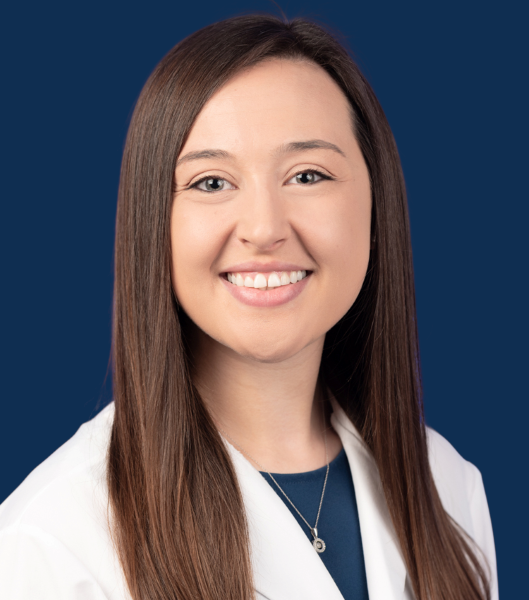
By Catherine Waller, MD, board-certified dermatologist, Aesthetic Dermatology Associates
Acne likes to make its mark. While breakouts will eventually clear, the scars they leave behind often do not—at least not without help. Acne scarring can be a distressing, constant reminder of breakouts that are long gone. Fortunately, acne scars often can improve with the right treatment plan. When I discuss acne scars with my patients, I first and foremost ensure their acne is adequately controlled. Treating active acne is crucial to preventing further scarring.
Acne Scars Aren’t All the Same
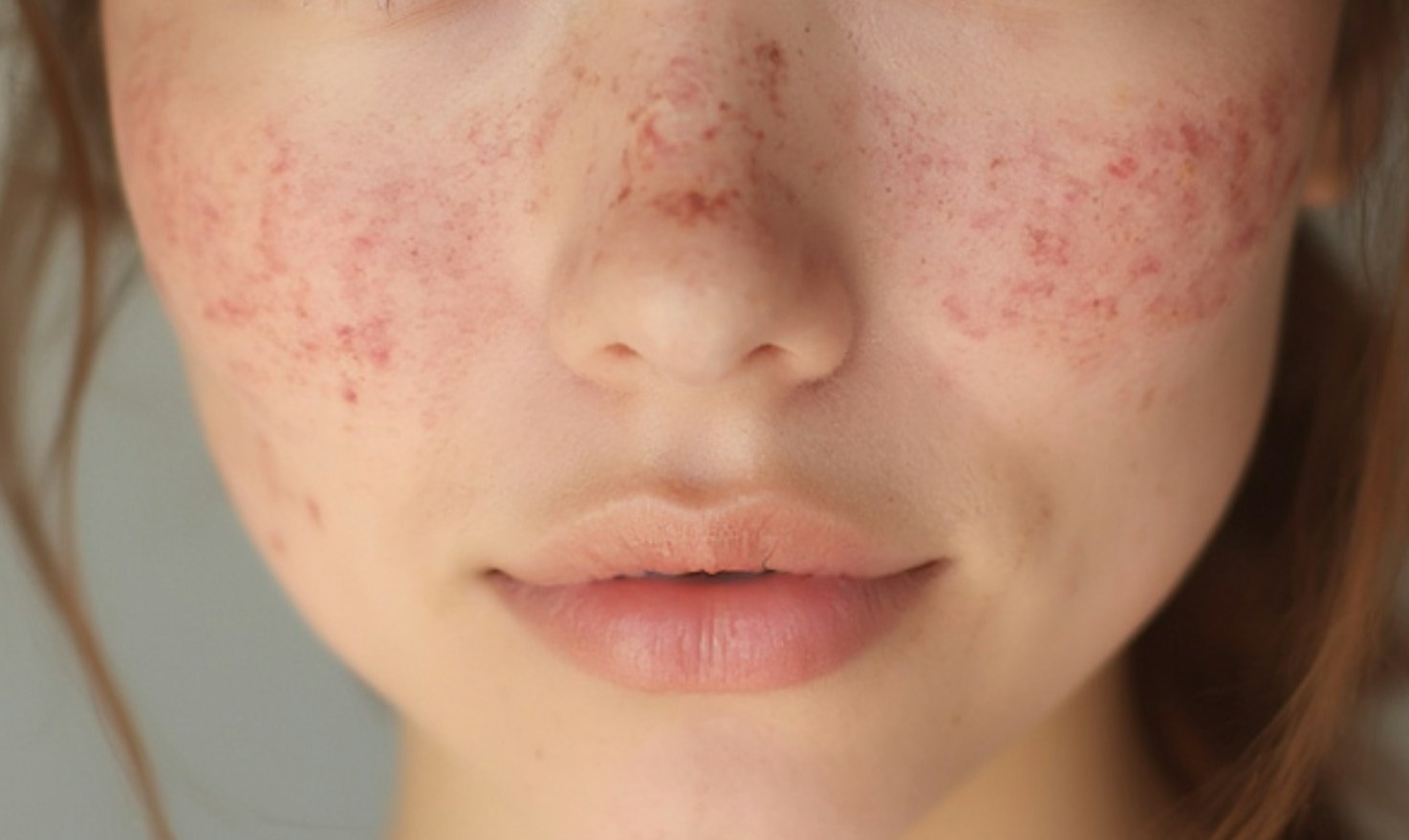
Before recommending a treatment, I look closely at the type of scarring present. Using the wrong treatment can mean spending time and money without getting the improvement you hoped for.
Icepick scars are narrow and deep, extending farther into the skin like a needle mark. Boxcar scars are wider depressions with well-defined edges and a flat or gently sloped base. Rolling scars create an uneven, wave-like appearance due to bands of scar tissue pulling the skin downwards. Hypertrophic and keloid scars sit raised above the skin and are the result of the body producing too much collagen during healing.
It is also important to differentiate true acne scarring from the reddish or brown discoloration that can follow a breakout. These marks are called post-inflammatory hyperpigmentation and do gradually fade with time and sun protection. True acne scars involve a structural change in the skin’s texture and often do not resolve without intervention.
Common Treatments for Acne Scarring
There is no one-size-fits-all approach. Most patients benefit from a combination of treatments rather than a single procedure. The best approach depends on the scar pattern, and different interventions address different aspects of scarring. The following procedures cover the scar types I see most often in practice, matched below to what each one treats:
Microneedling
Microneedling uses fine needles to create controlled micro-injuries in the skin. This stimulates the body’s wound-healing response and promotes new collagen formation, gradually improving the appearance and texture of depressed acne scars. Microneedling is particularly useful for many patients with rolling and boxcar scars and is considered safe for all skin tones. It is often performed as a series of treatments rather than a single session. Radiofrequency microneedling adds heat energy at the needle tip, which increases collagen remodeling and works well on deeper boxcar scarring. Like traditional microneedling, this can be used across a broad range of skin tones when performed with appropriate settings and technique.
Chemical peels
Peels use a controlled chemical solution to remove damaged outer layers of skin and prompt new cell turnover. Superficial and medium depth peels often can improve the appearance of superficial acne scars and post-inflammatory hyperpigmentation. Certain specialized chemical techniques can also be used for deeper, more focal icepick scars.
Laser resurfacing and light-based treatment
Laser treatment can address both scar texture and hyperpigmentation. Intense pulsed light targets discoloration without addressing texture, while resurfacing lasers work on the skin’s surface to soften the appearance of rolling and boxcar scars. These lasers carry a higher risk of dyspigmentation and therefore it is important that patients with melanin-rich skin see a provider who is trained in selecting the appropriate laser and settings for their skin tone.
Dermal fillers
Rolling and some boxcar scars sit low because the tissue underneath them has lost volume or become tethered to deeper layers. Filler placed directly under the scar lifts it to match the surrounding skin. The effect is temporary, lasting between six months and a year depending on the product, but it’s a fast option for patients who want visible improvement without a recovery period.
Intralesional Steroids
For hypertrophic and keloid scars we often consider injecting a steroid directly into the scar to help thin it out. This does carry a risk of hypopigmentation and thinning of the skin and should be done cautiously by a trained provider.
Surgery
Occasionally some hypertrophic or keloidal scars may also benefit from excision where the overgrown scar is replaced with a linear scar. This often will be paired with steroid injections to prevent the overgrown scar from reforming. Techniques such as punch excision can be used to replace some ice pick scars with a small linear scar. For rolling scars and certain tethered boxcar scars, subcision is a procedure designed to release bound-down scar tissue. Using a specialized needle or cannula beneath the skin, a dermatologist separates the scar tissue from the underlying structures that are tethering it down. Subcision is often combined with other treatments, such as microneedling, laser resurfacing, or dermal fillers, depending on the individual scar pattern.
What Determines Your Treatment Plan?
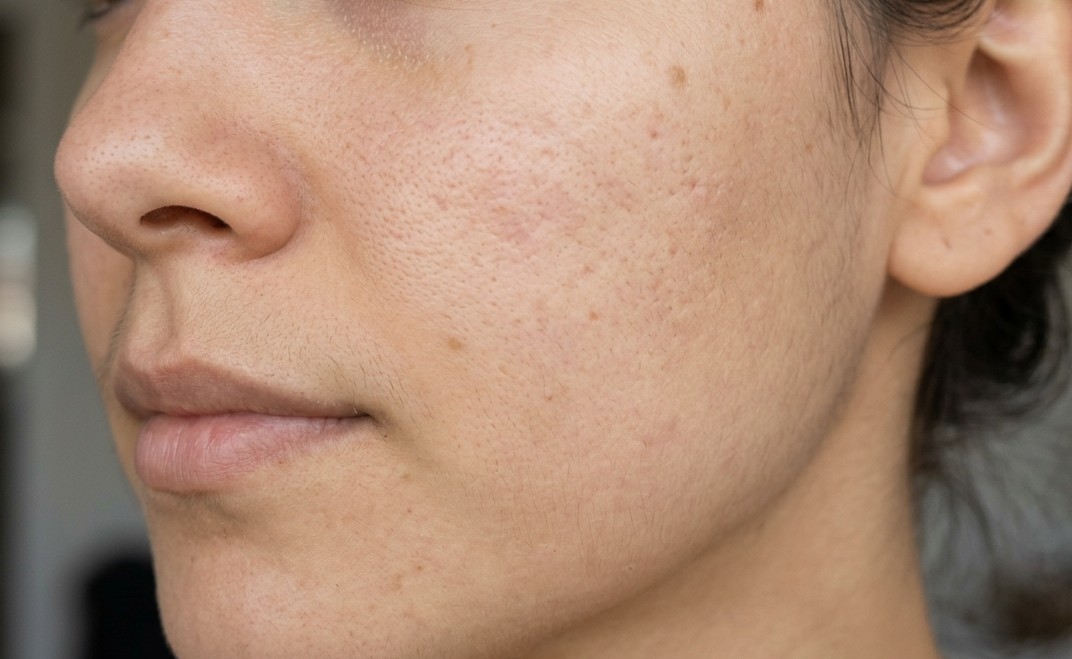
There is no single “best” acne scar treatment. The right approach depends on several factors. A patient’s skin tone determines which lasers and peels are safe to use. Scar type and depth also determine which modality or combination of treatments will work best. A plan built around one scar type won’t necessarily improve the other if both are present.
Downtime and budget matter too. A single dermal filler session takes about twenty minutes with no recovery time, while a series of resurfacing treatments generally requires planning around a week of visible healing between sessions. A treatment plan has to match the time and budget a patient can reasonably commit to.
What to Expect
Acne scar treatment is a process measured in sessions, not a single visit. Microneedling and radiofrequency microneedling typically require three to six sessions spaced a month apart to remodel collagen fully. Peels and light-based treatments often run in a series as well. Filler results are visible immediately but require maintenance appointments to sustain.
Improvement of 50 to 70 percent in scar depth and texture is a realistic goal for most patients who complete a full treatment course. Scar tissue is permanent structural change to the skin; treatment remodels and softens it rather than erasing it.
When to Book a Consultation
If your acne has been under control for a few months and what remains is texture, not active breakouts, that’s the time consider discussing acne scar treatments with a dermatologist.
At Aesthetic Dermatology Associates, we build treatment plans around your specific scar pattern and skin type rather than defaulting to one procedure for every patient. If you’re ready to talk through your options, book a consultation at our Media or Paoli office.
About the Author

Dr. Catherine Waller is a board-certified dermatologist at Aesthetic Dermatology Associates, treating the full spectrum of skin, hair, and nail conditions for patients of all ages. She earned her medical degree from Penn State College of Medicine and completed her residency at Penn State Milton S. Hershey Medical Center, where she served as chief resident. Her practice centers on personalized, evidence-based care, with a particular interest in skin cancer prevention and early detection. She is a member of the American Academy of Dermatology and the Pennsylvania Academy of Dermatology.
Related Links
Join Dr. Waller on LinkedIn professional network
See Dr. Waller’s provider page on our website
Visit Our Locations
Media, PA
| Mon: | 7:30 am - 5:30 pm |
| Tue: | 8:00 am - 4:00 pm |
| Wed: | 7:30 am - 4:00 pm |
| Thu: | 7:30 am - 4:00 pm |
| Fri: | 7:30 am - 4:30 pm |
Paoli, PA
| Mon: | 8:00 AM - 4:30 PM |
| Tue: | 8:00 AM - 4:00 PM |
| Wed: | 8:00 AM - 5:30 PM |
| Thu: | 8:00 AM - 4:30 PM |
| Fri: | 8:00 AM - 5:00 PM |
Stay Informed with our Newsletter

Book Your Appointment Today!
Choose the option that works best for you:
Prefer to speak with someone? Call or text us:

Media, PA Office - Call or Text (610) 566-7300
Paoli, PA Office - Call or Text (610) 566-7300
Want to book online now? Select a provider below:
Note: Self-scheduling is currently available for Dr. Goggins & Dr. Waller. For all other providers, please call or text the office.