Dermal Fillers: Answering the Questions Our Patients Ask Most
By Leslie Sombers, Aesthetic Director, Aesthetic Dermatology Associates

I sit in on most filler consultations at our Paoli and Media offices. Patients want their cheeks fuller or their lines softer, but nearly every conversation starts with the same worry: “I don’t want to look like I had something done.” This article covers the questions patients ask most, pulled straight from those consultations.
What Are Dermal Fillers?
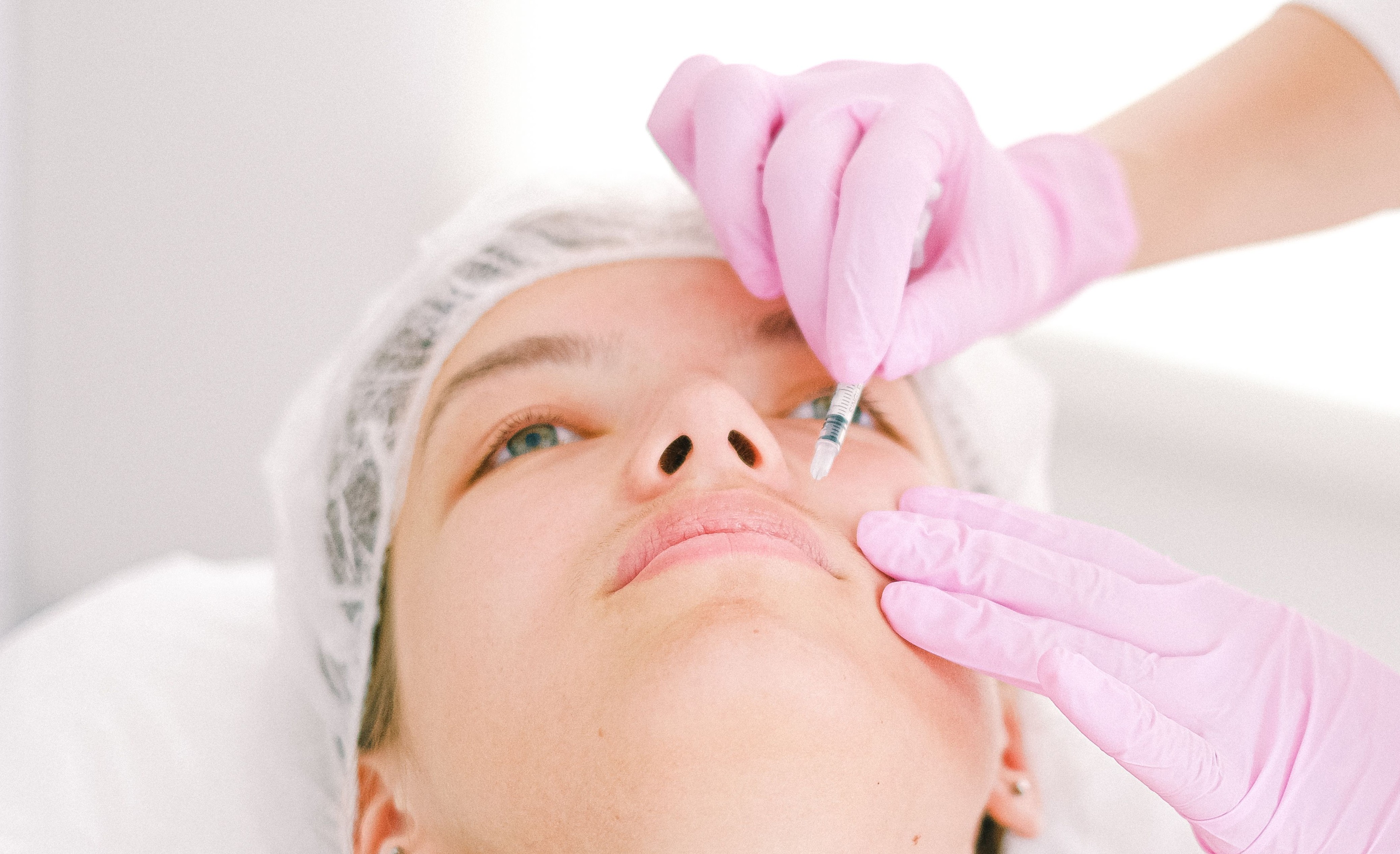
Dermal fillers are gel treatments, most made from hyaluronic acid, a substance your skin already produces to stay hydrated and full. A physician injects the filler beneath the skin to restore lost volume, soften lines, or add definition to the lips or cheeks. Sessions take under an hour. No surgery, no incisions, and most patients return to normal activities the same day.
The Dermal Filler Procedure: What to Expect
Your physician starts with a facial assessment. They study your bone structure, skin quality, and the areas that concern you, then build a treatment plan designed to support your unique facial structure.
Before injecting, we clean the treatment area and apply numbing cream. Most fillers we use also contain lidocaine, which reduces discomfort during injection. Your physician places the filler in small amounts, carefully assessing symmetry and balance throughout the treatment to create a natural result.
Most patients describe the sensation as pressure more than pain. Expect mild swelling or bruising at the injection sites for a few days. You will see initial results of the treatment the same day, and as the swelling settles after a week or two, you can see the final result.

Will It Look Natural, or Will I Look Overdone?
This is the question we hear most, and it shapes how our physicians practice.
“Our physicians treat conservatively. When I do a consult, it is more about facial balancing, a much more natural and conservative approach.”
Facial balancing means looking at your whole face, not one feature in isolation. Your physician might add volume to a hollow cheek to soften a nasolabial fold without touching it directly, or restore definition to your lip border instead of overfilling the center of the lip. The goal at every consult: a result your friends notice as “you look great” or “you look rested.”
Dermal Fillers: Pros and Cons
Filler offers real benefits, and it comes with trade-offs worth knowing before you book a consult.
Pros:
- Results show up the same day, with no recovery time built into your schedule
- Hyaluronidase can dissolve hyaluronic acid filler, so the treatment is reversible
- Sessions run 30 to 45 minutes in most cases
- Placed conservatively, filler restores volume that compliments your overall facial structure
Cons:
- Results fade over time and require maintenance appointments
- Bruising and swelling can occur and take several days to resolve
- There are costs associated with each treatment, and it may be different each time depending on what is recommended
- Poor technique or the wrong product for an area can produce undesired results, which is why physician experience matters as much as the product
How Long Do Results Last?
Duration depends on the area treated, the product used, and how fast your body breaks down hyaluronic acid. Areas with more movement, like the lips, tend to metabolize filler faster than areas like the cheeks. Most patients see results last several months to a year before they need a touch-up. Your physician will give you a specific estimate based on your treatment plan at your consult.
Where Does Filler Go, and Does It Ever Fully Dissolve?
Hyaluronic acid filler doesn’t sit under your skin waiting to be removed. Your body breaks it down over time through the same metabolic process it uses for the hyaluronic acid your skin makes on its own. Results fade over time instead of disappearing all at once, which is why most patients return for a touch-up.
You may have seen claims online that filler never fully dissolves and migrates to other parts of the face, creating unnatural results months or years later. True migration exists, but it’s uncommon. Overfilling an area, using the wrong product for that location, or layering repeated treatments without accounting for what’s already there account for most cases. Technique and injected volume, more than the filler itself, drive that outcome.
Because of this, our physicians map out a plan based on your anatomy before picking up a syringe. Small, precise amounts placed in the right structures stay where they’re placed and break down predictably.
I’ve Lost Weight: Can Filler Help with Volume Loss (Ozempic Face)?
Rapid weight loss, including from GLP-1 medications like Ozempic and Wegovy, tends to show up in the face before anywhere else. Fat loss in the cheeks and temples can leave skin looking hollow or aged, even when the rest of the body looks toned and fit.
Filler restores volume in the cheeks, temples, and other areas that have lost fat. Many patients who’ve gone through significant weight loss find that a conservative amount of filler brings back a rested appearance without adding weight anywhere else. If you’ve lost weight and don’t recognize your own face in photos, that’s worth raising at a consult.
How Much Does It Cost?
Filler pricing depends on the areas treated, the amount of product used, and your specific goals, so we don’t quote prices without seeing you first. At your consult, your physician maps out a treatment plan and gives you an exact cost before you decide anything. You’re under no obligation to move forward after that conversation.
Where We Treat (and Where We Don’t)
We treat the nasolabial folds, marionette lines, cheeks, tear troughs, and lips more than any other areas. These are the spots where volume loss shows up early and where filler makes a visible, natural difference.
We treat the chin, jawline, and temples far less. Filler can work in those areas, but our consults start with what your face needs, not a checklist of every place filler could theoretically go. If your consult points to one of those areas, we’ll discuss it. If it doesn’t, we won’t push it.
Dermal Filler Aftercare: Tips for a Smooth Recovery
Aftercare is straightforward, and following it cuts down on bruising, swelling, and downtime.
- Skip strenuous exercise for 24 hours after treatment. Increased blood flow can worsen swelling and bruising.
- Avoid alcohol for 24 hours before and after your appointment. Alcohol thins your blood and raises your bruising risk.
- Ice the treated area in short intervals during the first day if you notice swelling.
- Sleep on your back for the first night when you can, especially after lip or cheek treatment.
- Hold off on facials, massages, or other pressure on the treated area for about two weeks.
- Skip saunas, hot yoga, and heavy sun exposure for a few days after treatment.
- Call our office if you notice unusual pain, skin that turns pale or white, or symptoms beyond typical swelling and bruising. These are rare, but we want to know right away.
A Final Word from Leslie

Every patient who sits down with one of our physicians wants the same thing: a well-rested version of themselves, not a different person. We hold ourselves to that standard at every consult, and we’d rather treat conservatively and adjust over time than overcorrect in one visit.
If you have questions about dermal fillers that we haven’t covered here, bring them to your consult. That conversation, not this article, is where your treatment plan takes shape.
Visit Our Locations
Media, PA
Media, PA 19063
Phone hours may differ.
| Mon: | 7:30 am - 5:30 pm |
| Tue: | 7:30 am - 4:30 pm |
| Wed: | 7:30 am - 4:30 pm |
| Thu: | 7:30 am - 4:30 pm |
| Fri: | 7:30 am - 4:30 pm |
Paoli, PA
Paoli, PA 19301
Phone hours may differ.
| Mon: | 7:30 AM - 4:30 PM |
| Tue: | 7:30 AM - 4:00 PM |
| Wed: | 7:30 AM - 3:45 PM |
| Thu: | 7:30 AM - 4:30 PM |
| Fri: | 7:30 AM - 3:30 PM |
Stay Informed with our Newsletter

Book Your Appointment Today!
Choose the option that works best for you:
Prefer to speak with someone? Call or text us:

Media, PA Office - Call or Text (610) 566-7300
Paoli, PA Office - Call or Text (610) 566-7300
Want to book online now? Select a provider below:
Note: Self-scheduling is currently available for Dr. Goggins & Dr. Waller. For all other providers, please call or text the office.