
Nasolabial Fold Fillers
Soften the Lines, Keep the Smile
The lines running from the sides of your nose to the corners of your mouth deepen as the midface loses support and skin settles into a permanent groove, even at rest. At Aesthetic Dermatology Associates, board-certified dermatologists soften these folds with filler chosen for the cause behind them, not just the line itself.
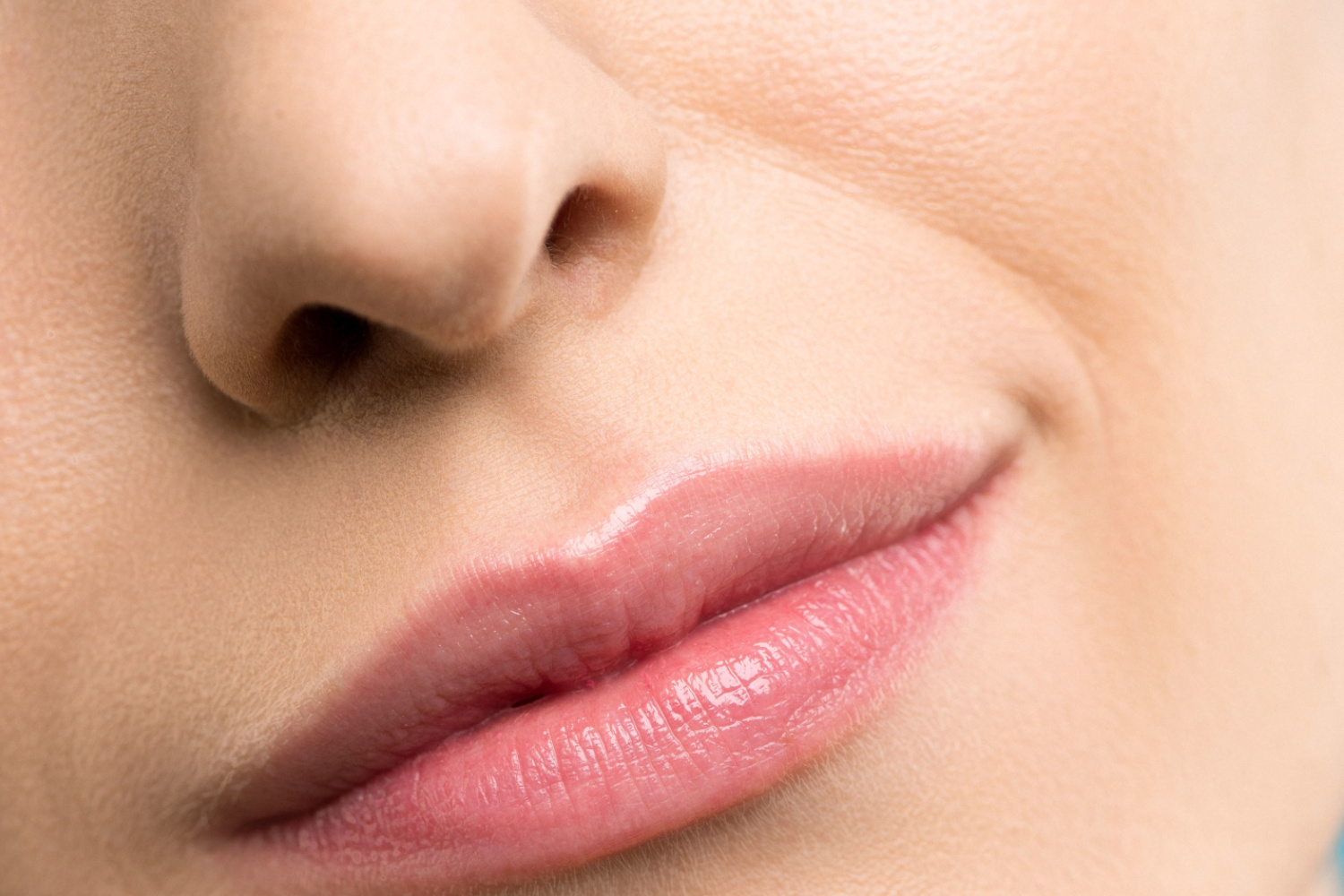
What Are Nasolabial Folds, and Why Do They Form?
Nasolabial folds exist on every face to some degree; they’re the natural crease that forms whenever you smile. What changes with age is depth: as cheek fat pads shrink and drop, and as skin loses collagen and elasticity, that crease becomes visible even with a neutral expression.
The fold sits at the boundary where descending midface tissue meets the relatively fixed tissue around the mouth, so it often deepens fastest in patients who are also losing cheek volume. Treating the fold by itself sometimes misses half the problem.
Genetics, sun exposure, and smoking all speed up the collagen loss that deepens these lines, which is why two people the same age can show very different degrees of folding.
Your Nasolabial Fold Filler Appointment
Your consultation starts with an assessment of where the fold originates: directly in the skin and fat along the line itself, or further up in a flattened cheek that’s pulling the fold deeper as it descends. That distinction changes where we place filler, not just how much.
We apply topical numbing before injecting. Filler is typically layered: deeper placement to rebuild lost support, with smaller amounts closer to the surface to soften the visible crease. The procedure runs 20 to 30 minutes depending on how much area we’re treating.
Swelling and occasional bruising are common in the first few days. Most patients see the bulk of the swelling resolve within a week, with final results visible around the two-week mark.
We schedule a follow-up at two weeks to check symmetry and refine the result if needed.
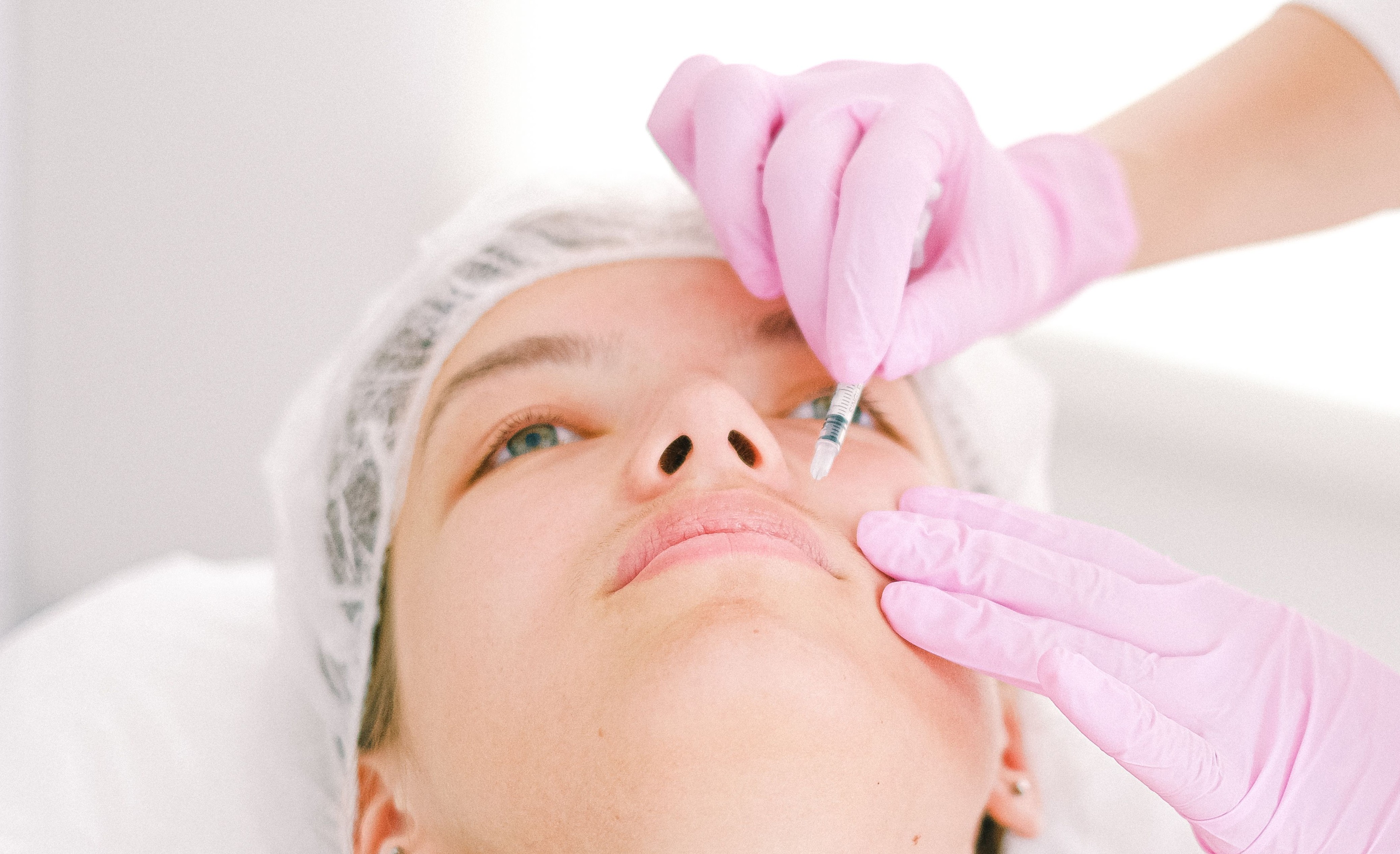
Treatment Approaches
There’s more than one way to soften a nasolabial fold, and the right one depends on what’s driving it.
Direct Fold Treatment
Filler placed directly along the line itself fills the crease from below, reducing its visible depth. This works well for folds that are deep but not strongly connected to midface volume loss.
Cheek-Supported Correction
When a flattening cheek pulls the fold deeper, treating the cheek first often softens the fold on its own, sometimes enough that little or no filler is needed in the fold itself.
Combined Layering
Many patients get the most natural result from both: cheek support to address the underlying cause, plus a smaller, more conservative amount of filler placed directly in the fold to finish the correction.
What Nasolabial Fold Fillers Can Address
Deep Static Folds
Lines that stay visible even when your face is relaxed, not just when you smile, respond well to direct filler placement that fills the groove at rest.
Folds Linked to Volume Loss
Folds that deepen alongside flattening cheeks usually need a cheek-supported approach rather than treatment of the line alone, since filling the crease without addressing the cause produces a result that fades or looks incomplete sooner.
Asymmetric Folds
One side often shows a deeper fold than the other, frequently from uneven midface volume loss or habitual expression patterns. We treat each side according to what it actually needs rather than mirroring an identical amount across the face.
Why Choose a Dermatologist for Nasolabial Fold Fillers?
The nasolabial fold sits near the facial artery as it travels from the jaw toward the nose, making accurate injection depth and placement a safety question as well as an aesthetic one.
A board-certified dermatologist brings two things to this treatment that matter beyond technique: an accurate read on whether the fold or the cheek is the real source of the problem, and the judgment to keep results looking like rest, not retouching.
At Aesthetic Dermatology Associates, a board-certified dermatologist performs or directly supervises every nasolabial fold treatment, with hyaluronidase available on site if a complication ever needs immediate reversal.
How Long Do Nasolabial Fold Fillers Last?
Results last 9 to 12 months when filler is placed directly in the fold, and longer, up to 18 months, when cheek support forms part of the treatment, since structural filler in the cheek tends to hold longer than filler placed in a mobile expression line.
Repeated muscle movement around the mouth and nose breaks down filler here faster than in less mobile parts of the face. Most patients schedule a touch-up once a year to maintain results.
Nasolabial Fold Filler Pricing at Aesthetic Dermatology
Pricing depends on whether treatment targets the fold alone or includes cheek support, and how many syringes that combination requires. Most patients use one to two syringes for the fold itself, with cheek support priced separately when it’s part of the plan.
We’ll provide a personalized estimate at your consultation based on what your face actually needs, not a standard package.
Frequently Asked Questions About Nasolabial Fold Fillers
Will treating my nasolabial folds make my face look puffy?
Not when treatment is planned around the actual cause. Overfilling the fold directly, without addressing cheek volume loss, is what tends to create an unnatural, puffy look. Our approach starts conservative and builds only as needed.
Do I need cheek filler too, or just treatment in the fold?
It depends on what’s driving your fold. We assess during your consultation whether the line is a standalone concern or connected to cheek flattening, and recommend treatment based on that.
How soon will I see results?
Initial improvement shows once swelling resolves, usually within a few days. Final results settle over one to two weeks.
Is the treatment painful?
Most patients describe mild pressure and brief stinging, manageable with topical numbing and the lidocaine already present in most filler products.
Can nasolabial fold filler be reversed?
Yes. Hyaluronic acid filler dissolves with hyaluronidase if you’re unhappy with the result or want to start over before your next treatment.
Schedule Your Nasolabial Fold Filler Consultation
Softening a nasolabial fold well takes more than filling a line. It takes an accurate read of why the line is there in the first place.
Ready to talk through your options? Reach out to schedule a consultation with our team.
Important note
We look forward to hosting you for your appointment. Please note that we adhere to a strict 24-hour cancellation policy. If your appointment is not cancelled at least 24 hours in advance, or if you are considered a “no show,” a standard $75.00 fee will apply.
All appointments require a credit card authorization at the time of booking. Failure to cancel within the specified timeframe may result in $75.00 being charged to the card on file.
Thank you for your understanding and consideration regarding this policy.
Visit Our Locations
Media, PA
Media, PA 19063
Phone hours may differ.
| Mon: | 7:30 am - 5:30 pm |
| Tue: | 7:30 am - 4:30 pm |
| Wed: | 7:30 am - 4:30 pm |
| Thu: | 7:30 am - 4:30 pm |
| Fri: | 7:30 am - 4:30 pm |
Paoli, PA
Paoli, PA 19301
Phone hours may differ.
| Mon: | 7:30 AM - 4:30 PM |
| Tue: | 7:30 AM - 4:00 PM |
| Wed: | 7:30 AM - 3:45 PM |
| Thu: | 7:30 AM - 4:30 PM |
| Fri: | 7:30 AM - 3:30 PM |
Stay Informed with our Newsletter

Book Your Appointment Today!
Choose the option that works best for you:
Prefer to speak with someone? Call or text us:

Media, PA Office - Call or Text (610) 566-7300
Paoli, PA Office - Call or Text (610) 566-7300
Want to book online now? Select a provider below:
Note: Self-scheduling is currently available for Dr. Goggins & Dr. Waller. For all other providers, please call or text the office.